When you imagine creating your dream car, you might think of sketching designs on paper or modifying existing models. Today, car design software gives you the power to build custom cars digitally, visualize them in 3D, and test every detail before manufacturing even begins.

1. Understanding Car Design Software
Car design software refers to digital tools used to conceptualize, model, and test vehicles before physical production. Initially developed for large automotive corporations, these tools have evolved to serve both professionals and enthusiasts. Early programs focused mainly on 2D drafting, but modern software now offers 3D modeling, real-time rendering, and performance simulation.
Unlike traditional blueprints, software-based design allows you to manipulate every curve, dimension, and surface in real time. Designers can test aerodynamics, adjust materials, and experiment with different color palettes—all within a virtual workspace. This has made the process of building custom cars more accessible and precise than ever before.
2. Key Features of Modern Car Design Software
Modern car design tools include a variety of specialized features aimed at enhancing creativity and accuracy:
-
3D Modeling Tools: Enable the creation of detailed car bodies, interiors, and mechanical components.
-
Simulation Engines: Allow designers to test vehicle dynamics such as wind resistance and weight distribution.
-
Material Libraries: Offer realistic textures for metals, composites, glass, and fabrics.
-
AI Assistance: Suggests improvements in aerodynamics and efficiency based on real-world data.
-
Virtual Reality (VR) Integration: Lets designers walk around and interact with the digital model at full scale.
These features transform car design from a static process into a dynamic, data-driven experience. You can virtually "drive" your car before ever touching a wrench.
3. Step-by-Step Guide to Building a Custom Car
Building a custom car using design software typically follows these steps:
-
Concept Sketching: Begin by drafting rough digital sketches to define the car's silhouette and character.
-
3D Modeling: Convert your sketches into a digital 3D model using tools like Autodesk Alias or Blender.
-
Surface Refinement: Adjust proportions, curves, and panel lines to achieve a balanced look.
-
Component Integration: Add essential parts such as the chassis, engine bay, and interior structure.
-
Simulation Testing: Run virtual tests for aerodynamics, suspension, and energy efficiency.
-
Rendering and Presentation: Apply materials, lighting, and environment settings for a realistic visualization.
-
Export and Collaboration: Export models in compatible formats for prototyping or manufacturing teams.
Each stage emphasizes precision, ensuring the final model is both visually appealing and structurally feasible.
4. Comparison of Popular Car Design Software
| Software Name | Key Features | Pricing (Approx.) |
|---|---|---|
| Autodesk Alias | Surface modeling, advanced curvature control | $1,700/year |
| Blender | Free, open-source, strong rendering tools | Free |
| SolidWorks | Mechanical simulation, 3D assemblies | $1,295/year |
| CATIA | Integrated design-to-production suite | Custom pricing |
| SketchUp | Simple interface, 3D modeling basics | $120/year |
This comparison highlights how diverse car design tools cater to different users—from beginners experimenting at home to industry professionals creating concept vehicles.
5. Benefits of Using Car Design Software
Using car design software provides multiple advantages over traditional methods:
-
Enhanced Creativity: You can instantly test and visualize design ideas.
-
Cost Efficiency: Virtual prototyping eliminates the need for expensive physical mockups.
-
Reduced Errors: Early testing and digital adjustments prevent costly manufacturing mistakes.
-
Collaboration: Cloud-based systems allow teams to work simultaneously on the same project.
-
Sustainability: Digital modeling reduces material waste and streamlines development cycles.
Ultimately, these benefits help transform a creative vision into a realistic and efficient vehicle design.
6. Real-World Examples of Custom Builds
Car design software has already revolutionized how designers create unique vehicles. Independent designers and automotive startups frequently rely on digital modeling to compete with established brands.
| Designer/Company | Project Name | Software Used | Outcome |
|---|---|---|---|
| Ken Okuyama Design | Kode 57 | Autodesk Alias | A limited-edition roadster with sculpted aerodynamics. |
| Local Motors | Rally Fighter | SolidWorks | A crowdsourced, 3D-modeled off-road vehicle. |
| Rezvani Motors | Beast Alpha | CATIA | A supercar designed entirely through digital prototyping. |
| Freelance Creator (Online) | Concept HyperEV | Blender | A virtual hypercar project shared via digital showrooms. |
These examples demonstrate that car design software is not limited to corporations—independent creators can use it to achieve professional-level results.
7. FAQs
1. Can I build a real car using only car design software?
No, but design software is the essential first step. It creates a blueprint for manufacturing, enabling accurate measurements and feasibility testing.
2. Do I need engineering knowledge to use car design software?
Basic understanding helps, but many tools are intuitive and beginner-friendly. Tutorials and online communities make learning accessible.
3. What kind of computer do I need?
A system with a strong GPU (graphics card), at least 16GB RAM, and a multi-core processor is recommended for smooth rendering performance.
4. Can I 3D print my car design?
Yes, many models can be exported in STL format for 3D printing parts or scaled prototypes.
5. Is free software reliable for serious design?
Yes. Programs like Blender or SketchUp can produce professional-quality results when used with skill and patience.
8. Conclusion
Car design software bridges creativity and engineering, allowing anyone to bring their automotive visions to life digitally. Whether you are an aspiring designer or a professional engineer, mastering these tools gives you unprecedented control over every curve, color, and component. Building a custom car is no longer reserved for elite manufacturers—it is now a creative journey you can begin from your own computer.
Related Articles
 Ride Smarter, Not Harder: Exploring the World of E-Bikes
- How Digital Dashboards Are Transforming the Driving Experience
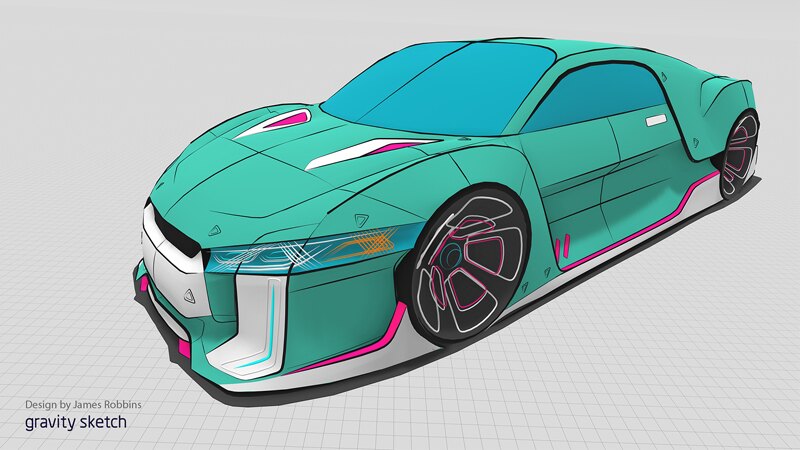
- Car Construction Software Explained: Benefits, Trends, and Tools
- Elektrofahrräder 2024 werden könnten günstiger sein, als Sie denken
- No Credit Check Cars: Drive Away Today
- AutomotiveRide Smarter, Not Harder: Exploring the World of E-Bikes
- AutomotiveHow Digital Dashboards Are Transforming the Driving Experience
- Everything ElseCar Construction Software Explained: Benefits, Trends, and Tools
- LifestyleElektrofahrräder 2024 werden könnten günstiger sein, als Sie denken
- AutomotiveNo Credit Check Cars: Drive Away Today