Have you ever wondered if packaging and labeling could become a real work-from-home career? With the rise of online shopping and flexible jobs, more companies are outsourcing packaging and labeling tasks to individuals outside traditional warehouses. This creates fresh opportunities for people who want to earn income without leaving home.

For many businesses, packaging and labeling is no longer just a step before shipping. It has become part of brand storytelling. Neat packaging, attractive labels, and professional details help products stand out in a crowded marketplace. If you can deliver this quality from your home, you have a chance to join a growing industry.
In this guide, we'll explain what packaging and labeling work includes, what skills and tools you'll need, how to attract and keep clients, what trends to watch, and how to deal with common challenges. By the end, you'll see why this field is worth exploring and how to get started.
What packaging & labeling work involves
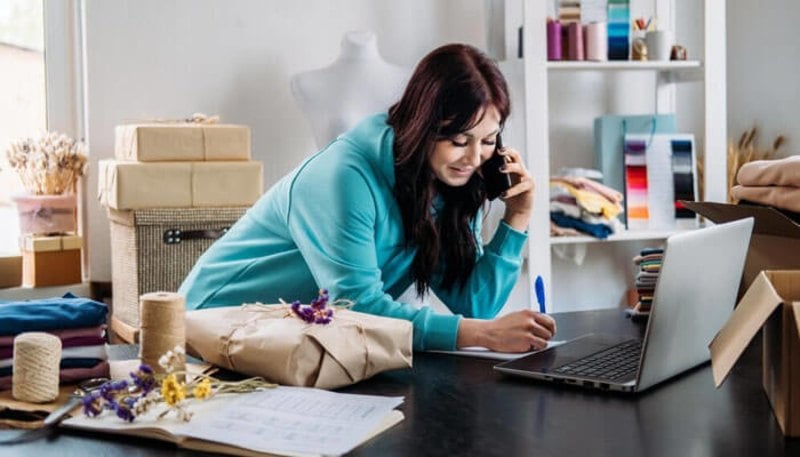
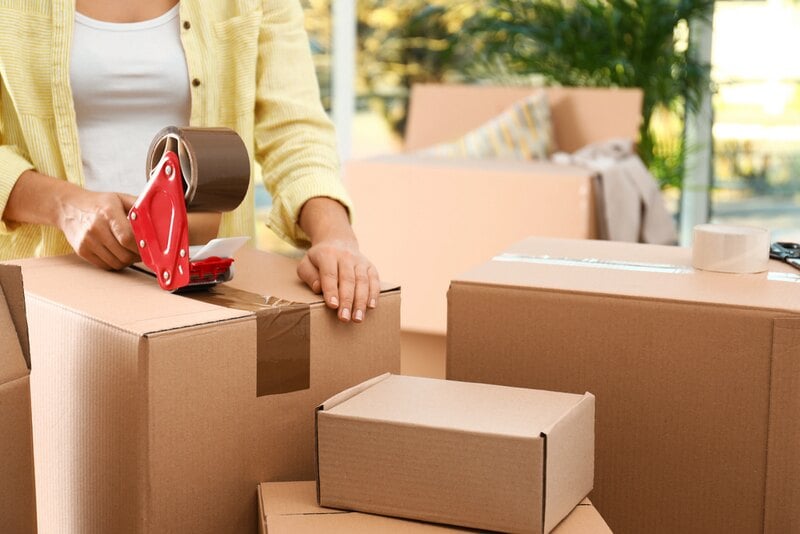
Packaging and labeling cover many tasks. On the creative side, you may design logos, product labels, or instruction cards. On the practical side, you may fold boxes, pack products, and apply labels before shipping. Each task requires accuracy, patience, and a good eye for detail.
The importance of this work has grown with e-commerce. Online shoppers don't see products until they arrive, so packaging is their first impression. A sturdy box, clear label, and safe wrapping protect items while also showing professionalism. Without these elements, even excellent products can seem low-quality.
The flexibility of the industry is another factor. Not all packaging requires heavy machines. Small businesses often need limited runs of custom packaging, which can be handled at home. That means freelancers, part-timers, or small family businesses can all take part. For many, this mix of creativity and practicality makes it an attractive career option.
Skills and equipment you'll need at home
A strong eye for design helps if you want to create labels. Programs like Canva or affordable Adobe tools let you build clean, simple designs without years of training. Even basic design knowledge can make your labels look professional.
Beyond creativity, organization is crucial. Packaging and labeling involve steps that must follow strict order. A wrong label on a product can cause returns or even legal issues. Being careful, consistent, and detail-oriented helps avoid mistakes and builds trust with clients.
You also need the right equipment. At a minimum, you may need a printer for labels, cutting tools, tape, boxes, and protective material. If you design digitally, you need a computer and reliable internet. As you grow, you may add specialized printers or software. The good news is that you can start small and upgrade over time.
How to find clients & build credibility
Getting your first clients is often the hardest step. A good way to begin is by building a small portfolio. Make sample labels or packaging for imaginary products. Take photos of your work and share them online to show your style and skills.
Freelance platforms such as Upwork, Fiverr, or niche marketplaces offer starting points. Many businesses search for affordable and reliable freelancers to help with packaging or design tasks. Even small jobs can build experience and lead to repeat work.
Networking is equally important. Join online groups for small businesses or e-commerce sellers. Share helpful advice and let people know you’re available. Attending webinars or local events can also help. Over time, good service and word-of-mouth referrals will grow your client list.
Emerging trends to watch
Sustainability is one of the strongest trends in packaging today. Businesses and customers want eco-friendly boxes, recyclable wrapping, and labels made from biodegradable materials. Offering these solutions makes you more attractive to clients who value green practices.
Personalization is another key trend. Many customers love custom packaging with names, unique colors, or special graphics. Small runs of personalized labels are often outsourced, which creates opportunities for home-based workers.
Technology also shapes the industry. Smart labels with QR codes, on-demand digital printing, and even 3D-printed packaging are becoming more common. While not every home worker will use these advanced tools right away, being aware of them shows clients you understand where the industry is heading.
Facing challenges & overcoming them
Working from home in packaging and labeling has its challenges. One is isolation. Without colleagues nearby, it can feel lonely. To solve this, connect with online communities where freelancers share experiences and advice. Regular interaction keeps you motivated and supported.
Another challenge is time management. Home workers often juggle personal tasks with professional duties. Setting a clear schedule, using planners or digital tools, and treating your work hours seriously helps keep productivity high.
Competition is also a factor. Many people are entering this field, so standing out is vital. Consistently delivering quality, updating your skills, and learning new software or packaging methods will help you remain competitive. In the long run, professionalism and reliability set you apart.
Final thoughts & next steps
Packaging and labeling from home is more than just a temporary gig. With the right approach, it can grow into a steady source of income or even a full business. The demand is strong, especially as e-commerce expands worldwide.
Start small, build skills, and aim to provide consistent quality. Each satisfied client can lead to new projects and referrals. As your reputation grows, you can expand into additional services like full packaging solutions or advanced label printing.
By combining creativity, discipline, and attention to detail, you can succeed in this evolving market. The future of work is flexible, and packaging and labeling from home fit perfectly into that shift. Now may be the ideal time to explore these opportunities for yourself.
Related Articles
 How to Grow Your Finances with Online Passive Income Opportunities
- How to Start Your Own Business: A Step-by-Step Guide
- 自宅で梱包とラベル貼りの仕事を始める方法
- How to Start Packaging and Labeling Jobs from Home
- Understanding forklift hire: A comprehensive guide

- Everything ElseHow to Grow Your Finances with Online Passive Income Opportunities
- Everything ElseHow to Start Your Own Business: A Step-by-Step Guide
- Everything Else自宅で梱包とラベル貼りの仕事を始める方法
- Everything ElseHow to Start Packaging and Labeling Jobs from Home
- Everything ElseUnderstanding forklift hire: A comprehensive guide