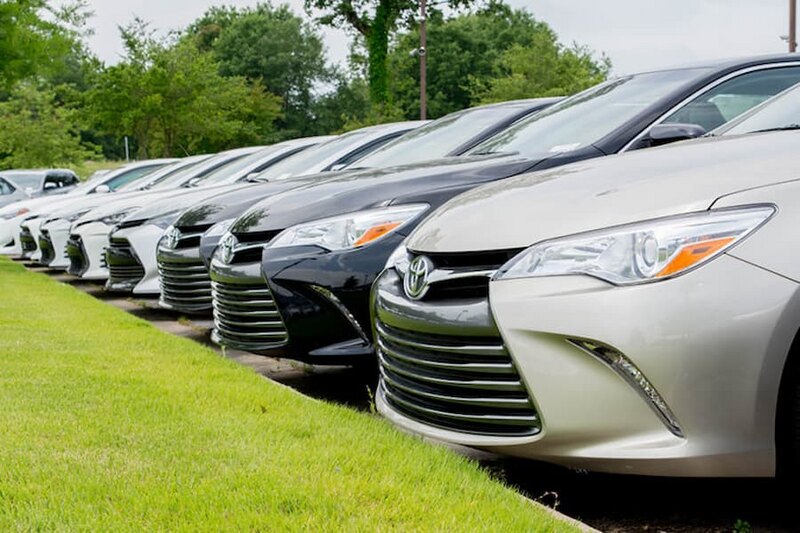
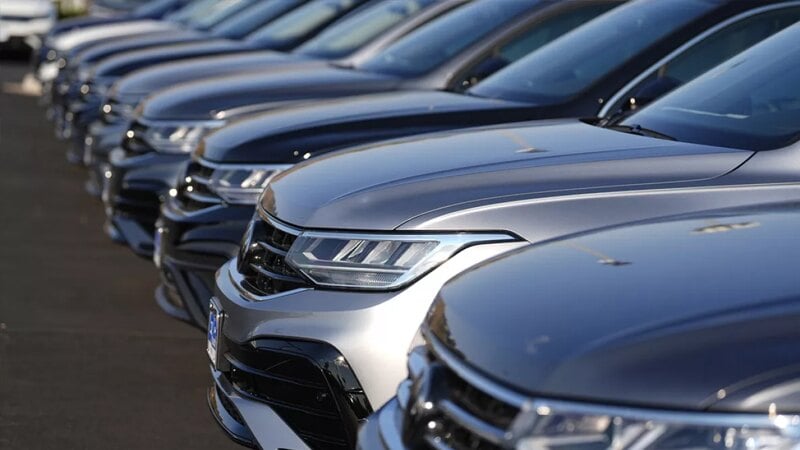
Did you ever think that unsold cars could be more than just leftover stock at dealerships? For many people, these vehicles may look like a problem or even wasted inventory. But in reality, unsold cars can bring surprising advantages for both buyers and businesses.

Instead of viewing them as outdated or unwanted, it is useful to see unsold cars as opportunities. They can lower costs for consumers, support the environment, and even create local economic benefits. What looks like a simple clearance sale can actually open new doors for smart shoppers.
In this article, we will explore the different benefits of unsold cars. From saving money to adding variety, we will show how these vehicles can play an important role in today's automotive market.
Affordable deals for buyers
One of the clearest benefits of unsold cars is lower prices. Dealerships want to make space for new arrivals, and that often means discounts on last year’s models. For shoppers, this creates a chance to buy a brand-new car at a reduced price.
These discounts can be significant. Depending on the situation, price cuts can range from 10% to 30%. On top of that, manufacturers sometimes add incentives such as cashback offers or special financing. This makes cars that once felt out of reach suddenly affordable.
For buyers who prepare well, the savings can go even further. Knowledge about inventory cycles and market timing helps customers negotiate with dealers. In the end, both sides benefit: buyers save money, and dealerships move vehicles faster.
Seeing unsold cars as investments
While many people think of used or vintage cars as investments, unsold models can also carry value. Certain editions may later become rare, especially if they were produced in limited numbers or have unique features. Over time, this can raise their resale price.
For example, a model with a discontinued engine type or special trim could grow in demand among collectors. Buyers who recognize these opportunities early can see a return on their purchase.
Although not every unsold car will gain value, the possibility makes them more attractive than many assume. For individuals with an eye for detail, these vehicles can be more than just transportation—they can be a smart financial move.
Eco-friendly impact of unsold cars
Unsold cars can also support the environment. If dealerships are forced to scrap or destroy them, it creates unnecessary waste. By purchasing these vehicles, consumers help reduce waste and extend the use of resources already spent on production.
Most unsold cars also follow newer emission standards. This means they often pollute less compared to older vehicles still on the road. Choosing an unsold car is therefore a greener alternative for buyers who want to drive responsibly.
At a larger scale, encouraging the purchase of unsold cars pushes the industry toward better inventory management. Fewer wasted vehicles means fewer environmental costs, creating a positive cycle for the entire automotive sector.
Boosting community growth
The sale of unsold cars does not only help buyers—it also boosts local economies. When dealerships offer deals, more people are encouraged to visit and purchase. This extra activity increases business traffic and strengthens local markets.
More sales also give dealerships the resources to hire additional staff or improve their facilities. With stronger revenue, businesses can reinvest in training, customer service, and expansion.
In this way, clearing unsold stock becomes a win for communities. Buyers get lower prices, businesses grow, and the local economy benefits from the increased flow of money and jobs.
More options on the market
Another benefit often overlooked is variety. Unsold cars expand the options available to buyers, giving them access to models, trims, and colors that may no longer be produced in new stock.
This variety can be helpful for families, first-time buyers, or professionals searching for specific features. Instead of being limited to current models, shoppers can explore a broader range that may suit their exact needs.
Seasonal clearance events add even more value. Test drives, bonus incentives, and extra perks often come with these promotions. For consumers, the shopping process can feel more rewarding when more choices are on the table.
Conclusion
Unsold cars are more than just vehicles left behind on dealership lots. They represent opportunities for savings, investments, and even environmental progress. They also help local communities grow and give consumers a wider variety of choices.
For buyers, considering an unsold car can mean driving away with both financial and personal satisfaction. For dealerships, it provides a chance to refresh inventory while maintaining healthy sales.
The next time you see an unsold car, remember: it is not just stock waiting to be cleared. It may be the key to unlocking benefits for your wallet, your community, and the environment.
Related Articles
 The Secret Perks of Purchasing Unsold Cars
- No Credit Check Auto Loans: A Practical Guide for Buyers
- Carros não vendidos para idosos estão quase sendo doados
- Coches sin vender para personas mayores están casi regalados
- Tips for Seniors to Get Cheap Unsold SUVs



- AutomotiveThe Secret Perks of Purchasing Unsold Cars
- AutomotiveNo Credit Check Auto Loans: A Practical Guide for Buyers
- AutomotiveCarros não vendidos para idosos estão quase sendo doados
- AutomotiveCoches sin vender para personas mayores están casi regalados
- AutomotiveTips for Seniors to Get Cheap Unsold SUVs